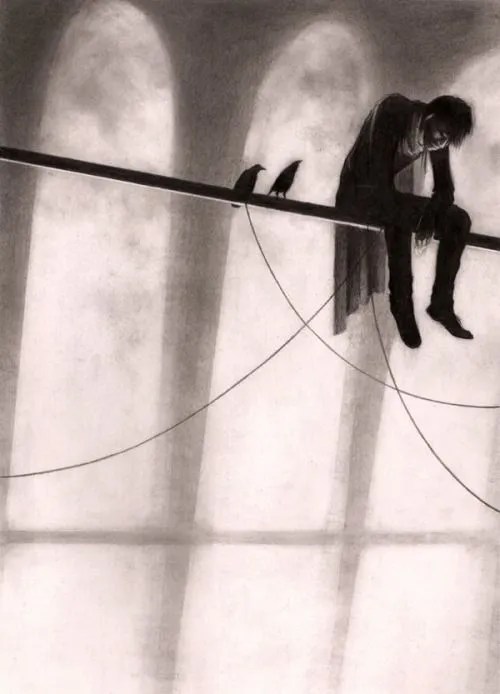
When to Put Down Your Superpowers
Being a Hero or Rescuer has made you feel powerful, and at times, omnipotent. You’re the one all your friends and family members turn to for help – when there’s a crisis, they go to you to keep them calm or to get them out of a bind. People look to you for the answers – and you usually have one. It makes you feel capable and competent to help those who seem less able to help themselves. Being the hero has made you feel strong and self-reliant, and it’s gotten you through lots of tough situations in life.
But what’s underneath the Superhero cape you wear?
Perhaps you’d like to take a break. Maybe you wish you didn’t have to do it all, or that someone else had the answers for once. Maybe you wish others could share the burden, but you have a hard time asking for help or trusting that others are capable of taking care of themselves. And what’s harder to admit is that sometimes you wish you could be small and have someone take care of you for a change.
But would people survive without you? You are terrified of stepping away from your role because you fear things may fall apart if you do.
This is what you had to believe when you were little – if you didn’t step in and save the day, things would crumble. You played the Hero in your family – when nobody around you could help themselves, you stepped in and took care of them. You might have seen your caregivers as incapable, and yourself as capable. Perhaps you had emotional responsibility – you felt like you were the only one who understood your caregivers or siblings, or could attend to their feelings when nobody else could. Perhaps the responsibility fell on you to care for your sick parents, to take care of the finances, to translate, or help them navigate life in an unfamiliar cultural context. Maybe you came from an immigrant family where you were the one responsible for helping your family to survive.
Whatever your situation was, you developed an entire sense of self around your capacity to help others, or being the person relied upon in a crisis. You learned that since nobody else could do it, you were the one to do it all, and you were the one who did it best. Being a Superhero has become your identity – after all, who would you be if you didn’t save people?
What was your superpower back then – ironically, now gets in the way of you feeling truly connected to yourself and others. As a child, you were so busy rescuing other people in your family that your own emotional needs were ignored. You didn’t have the chance to feel your feelings, to admit that you were scared and needed help. You didn’t get to feel all the vulnerabilities that children feel when they are placed in precarious situations. You couldn’t afford to admit to yourself how small and powerless you actually were, while you were in survival mode. Like in the movie Encanto, you were Luisa, the strong character, whose role was to hold the entire community together and to show invulnerability.
All your fear, anger, sadness, and loneliness was kept inside while you focused on others’ needs. Your feelings have been bottled up inside for years. You were preoccupied with doing things “right”, or perfectly, because you feared that any mistake you made could cause everything to fall apart. You overfocused on others and distracted yourself from your own needs.
When your needs go unattended over time, it catches up with you. Today, you may feel depressed, empty, anxious, or fearful. You may have somatic complaints – headaches, stomaches, chronic pain – without knowing why. You’ve carried others’ burdens in your body for years. It may feel like the only reason people approach you is because they need something. You feel like you need to be needed, but you also don’t really want to be needed. When you’re overwhelmed and burned out, you can’t say no, because you worry you might be unliked, rejected, or even abandoned.
When is it time to put down your superpowers and become a real person?
It feels scary to imagine yourself as a regular person – who would you be if you weren’t a superhero? You may feel lost and confused when you finally take a step back from this role to try to know yourself.
Come and explore what it feels like to put down your superpowers for a moment. Together, we can find out what’s underneath this persona, and who you really are, when you’re not so busy saving others.
Where Does Your Anger Go?
Are you someone who “never gets angry?” Do you ever wonder where your anger goes?
Procrastination, yawning, boredom, depression – what do these things have in common? They are all forms of anger unexpressed.
At a certain time in your life, it wasn’t safe to express your anger, so you turned it toward yourself. You learned to stay quiet and be “good” when it displeased your caregivers or those around you. You learned that showing anger was “bad” and now you’re terrified of it. Instead of expressing it, you shut down, withdrew, or blamed yourself for what was happening to you. You grew up feeling guilty or fearful if you didn’t please others, and now you’re terrified of upsetting others if you show your real feelings.
You’d rather be the one swallowing your needs than to rock the boat. If something goes wrong, you’re likely to put it on yourself as the one who messed up, and loop in your head about what you could have done differently. You may withdraw from others when you’re upset, instead of talking it out. You wouldn’t dare show your feelings – you fear you won’t be liked or accepted. You may behave in a way that pleases others, but what’s hard to admit is that underneath you feel resentful for not getting your needs met.
All these years of ignoring your feelings and needs have caught up to you. The idea of depression as “anger turned inward” (Freud, 1930) has been written about for decades. Over time, when anger goes unexpressed, it turns into forms of depression, physical complaints, even suicidal thoughts – you’d rather be the one hurt than possibly hurting others. Self-blame, shame, apathy, withdrawal, etc. are all forms of anger turned toward the self. Self-bashing is a familiar place to be, but who knew you were actually angry inside?
Though it may feel scary to contact your anger, finding ways to access healthy aggression can fuel change in your life. Healthy aggression means that you have boundaries, a sense of your own needs and desires, and you know how to set them. You are in touch with what doesn’t feel good to you, and you can communicate this clearly to others while also listening to their needs. It means having a sense of yourself as being a separate person from others, and not taking on their needs, emotions and experiences. It means you can ask for what you need, while also respecting others’ needs.
Finding healthy outlets for your anger is important. Expressing your feelings with someone who can handle your emotions, in a safe place, can offer a healing experience. Individual and group therapy can help you to get in touch with your healthy aggression – you can learn how to assert yourself, draw clear boundaries, and protect your energy, time, and emotional well-being. Accessing your full range of emotions can lead to deeper connection with yourself and others, an increased sense of internal freedom, and more meaningful, fulfilling relationships.
 Fei A. Hu, LMFT